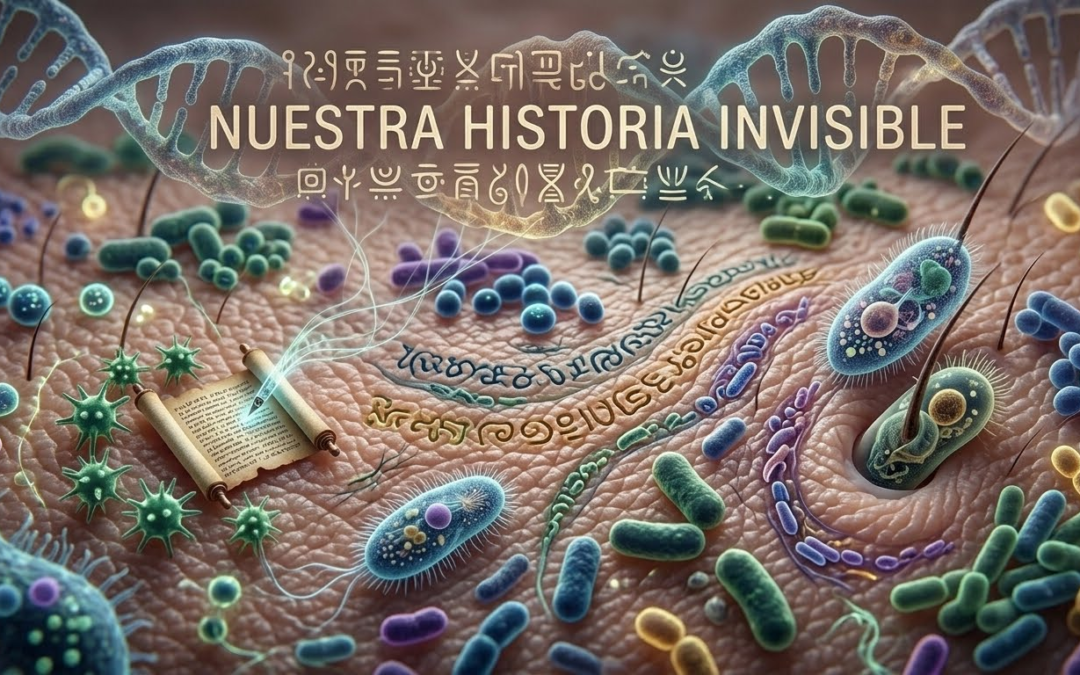
The skin has a story to tell, and much of it is written by millions of invisible microorganisms that work every day to protect it
At our company, we believe that the best innovation arises when nature and science work together. Inspired by the potential of biotechnology, we draw on our knowledge of fermented ingredients and the skin microbiome to understand how small changes can yield significant benefits for skin health. We are committed to sharing information based on scientific evidence that helps uncover a new way to care for the skin—respecting its natural balance and enhancing its ability to stay healthy, strong, and radiant.
Why Are Fermented Ingredients Revolutionizing Skincare?
For centuries, fermentation has been a part of traditional diets and medicine thanks to its ability to transform natural ingredients into compounds with greater biological value. Today, that same biotechnological process has become one of the most promising innovations in skincare.
Fermented ingredients not only preserve the benefits of plant-based raw materials, but also generate new bioactive metabolites during fermentation that can improve hydration, strengthen the skin barrier, and promote the balance of the skin’s microbiome. As a result, more and more cosmetic formulations are incorporating ferments as part of a strategy to care for the skin in a smarter way that is more respectful of its physiology.
The skin is a living ecosystem
Our skin is the body’s largest organ and serves as the first line of defense against physical, chemical, and microbiological factors. However, it is not alone.
Its surface is home to a vast community of microorganisms known as the skin microbiota, consisting of bacteria, fungi, viruses, and other beneficial microorganisms that coexist in balance with the body. Notable among them are species such as Cutibacterium acnes, Staphylococcus epidermidis, and various species of the genus Malassezia.
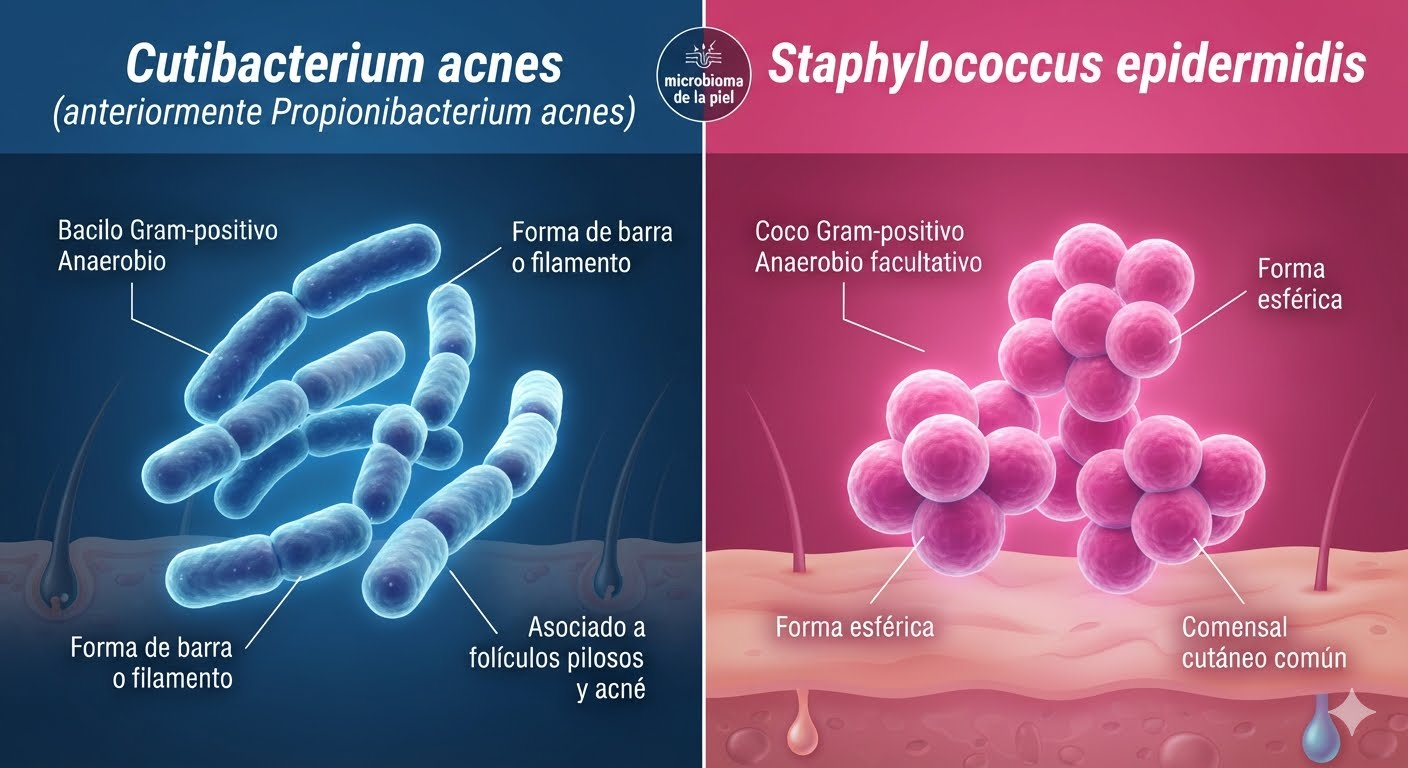
Far from being harmful, this microbial community plays a role in essential functions such as:
- Protecting against pathogenic microorganisms.
- Maintaining the skin’s physiological pH.
- Regulating the immune response.
- Contributing to the production of natural antimicrobial substances.
When this balance is maintained, the skin better retains its moisture, elasticity, and ability to defend itself.
What happens when the microbiota loses its balance?
Various factors can alter the normal composition of the skin microbiota; for example, age, hormones, genetics, stress, environmental pollution, certain overly harsh cosmetics, or excessive use of antibiotics can lead to a condition known as dysbiosis.
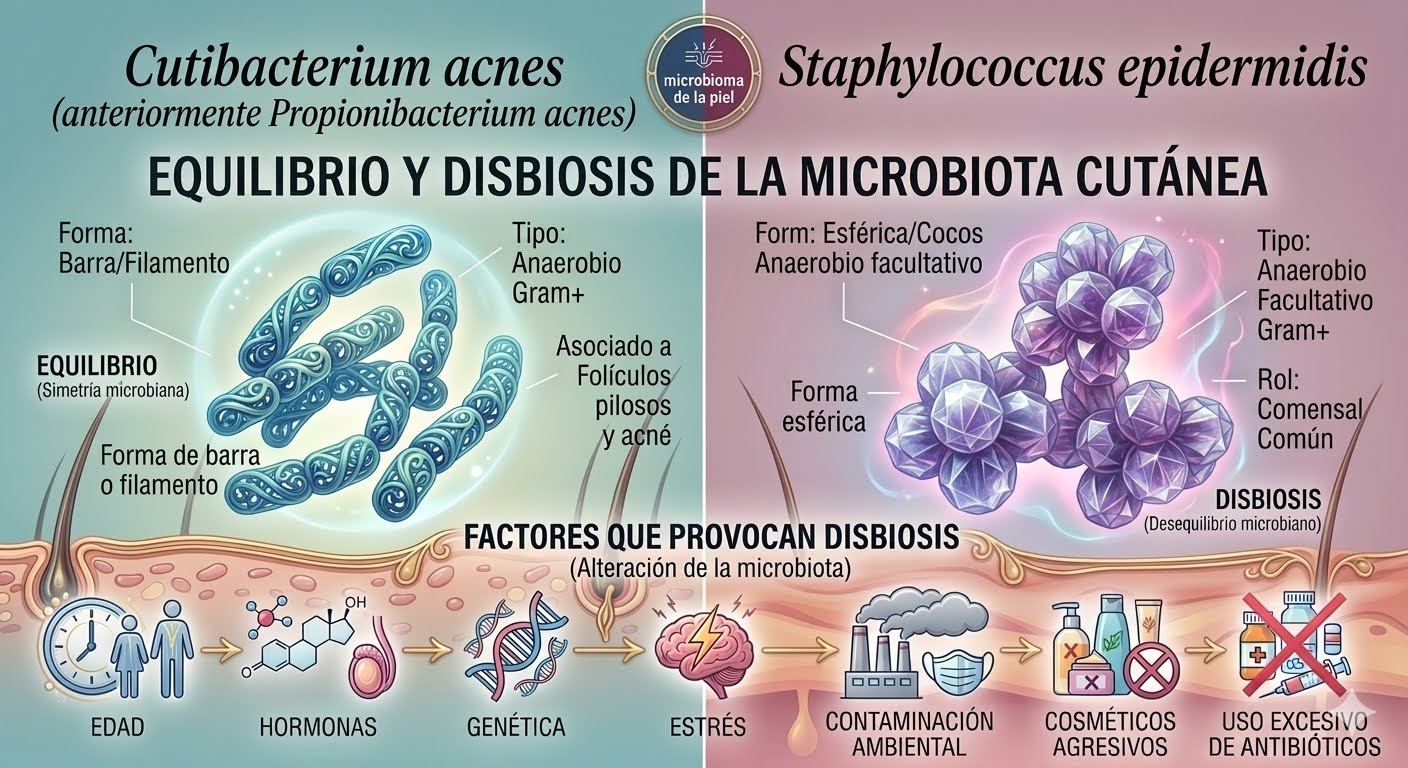
When this happens, the skin loses some of its natural protective mechanisms, and various skin conditions may arise, such as:
- Acne
- Dermatitis
- Rosacea
- Persistent inflammation
- Increased sensitivity and irritation
Currently, much of the research in cosmetics is focused precisely on restoring this balance through ingredients that work in harmony with the microbiota rather than against it.
What are fermented ingredients?
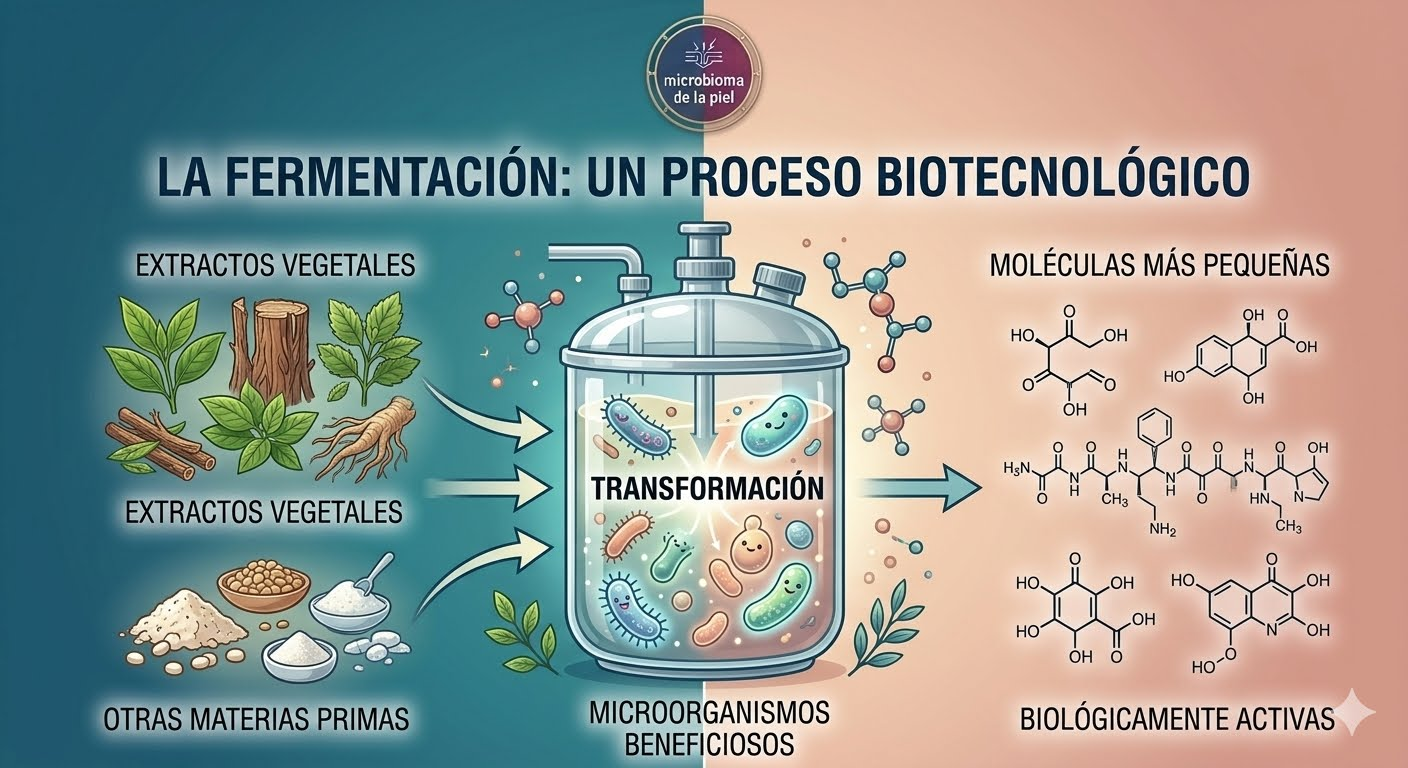
Fermentation is a biotechnological process in which beneficial microorganisms transform the compounds present in plant extracts or other raw materials into smaller, biologically active molecules.
This results in substances of great cosmetic interest, including:
- Amino acids
- Peptides
- Enzymes
- Vitamins
- Antioxidants
- Organic acids, such as lactic acid
These molecules typically have better bioavailability, facilitating their interaction with the skin and enhancing their cosmetic benefits. Furthermore, many of them act as postbiotics—bioactive compounds produced during fermentation that promote the balance of the skin microbiome.
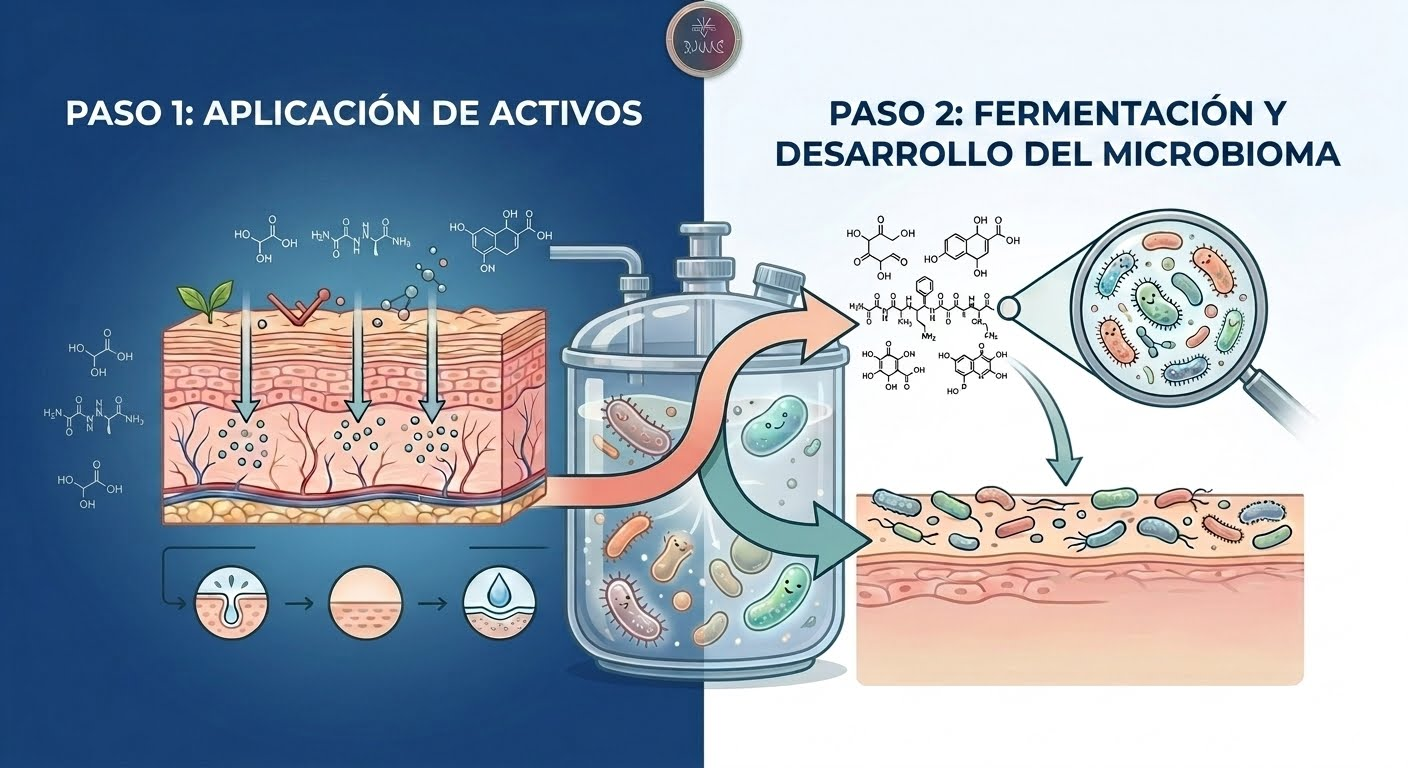
Ferments and Postbiotics: A New Generation of Cosmetic Active Ingredients
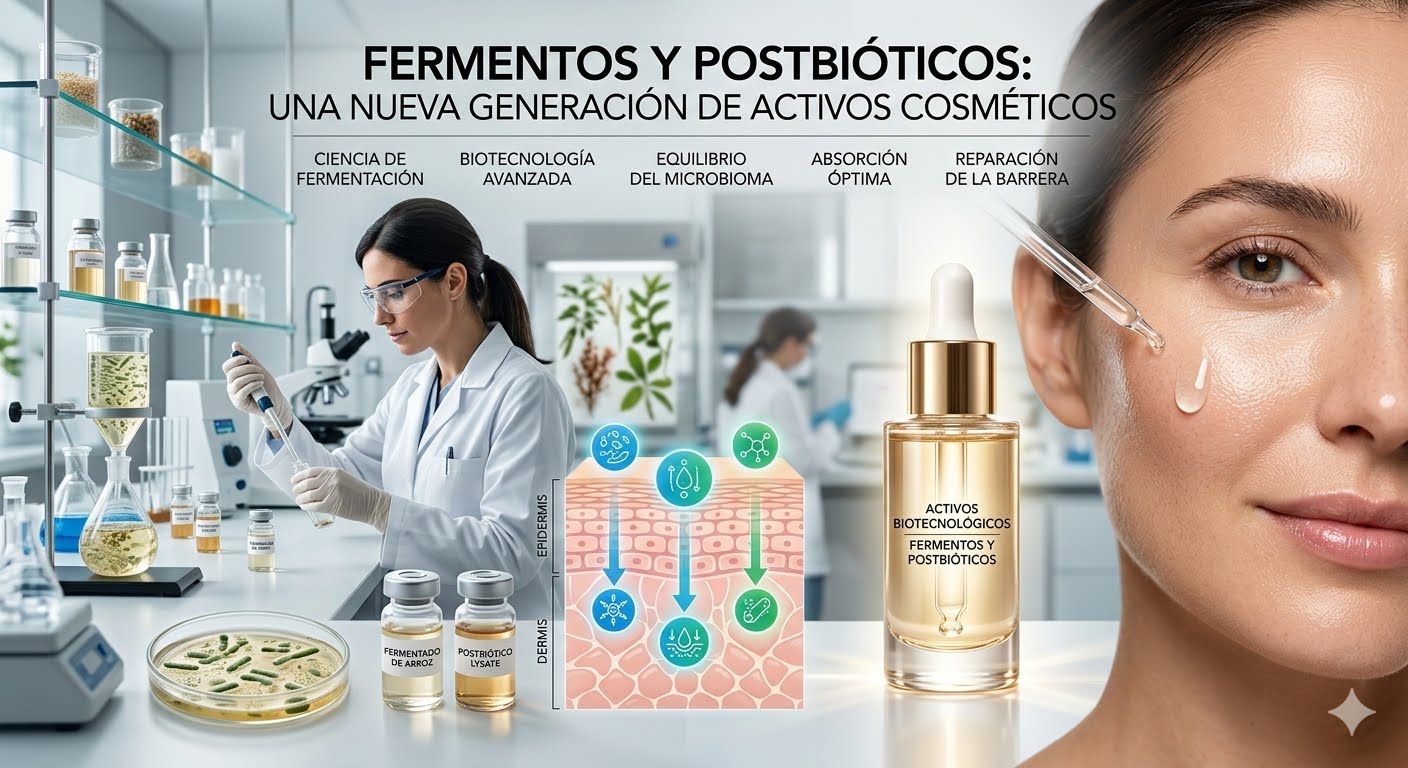
In recent years, postbiotics have become one of the most scientifically supported ingredients in skincare. Unlike probiotics, which contain live microorganisms, postbiotics consist of metabolites and cellular components generated during fermentation, which gives them greater stability in cosmetic formulations.
Recent studies indicate that ingredients such as Lactobacillus Ferment Lysate and Saccharomyces Lysate Extract can:
- Promote skin hydration
- Strengthen the skin barrier
- Improve water retention
- Reduce the appearance of redness
- Help maintain a healthy microbiome
- Increase the skin’s resistance to environmental factors
Why incorporate fermented ingredients into a skincare routine?
The main advantage of cosmetic ferments is that they work in harmony with the skin’s natural processes. Rather than acting aggressively, they help create a favorable environment so that the skin barrier and microbiota can function properly. This results in better-hydrated, more comfortable, and healthier-looking skin. For this reason, fermented ingredients are often recommended especially for skin that is:
- Sensitive
- Dehydrated
- Prone to redness
- Constantly exposed to pollution or environmental stress
- With a weakened skin barrier
The future of skincare lies in biotechnology
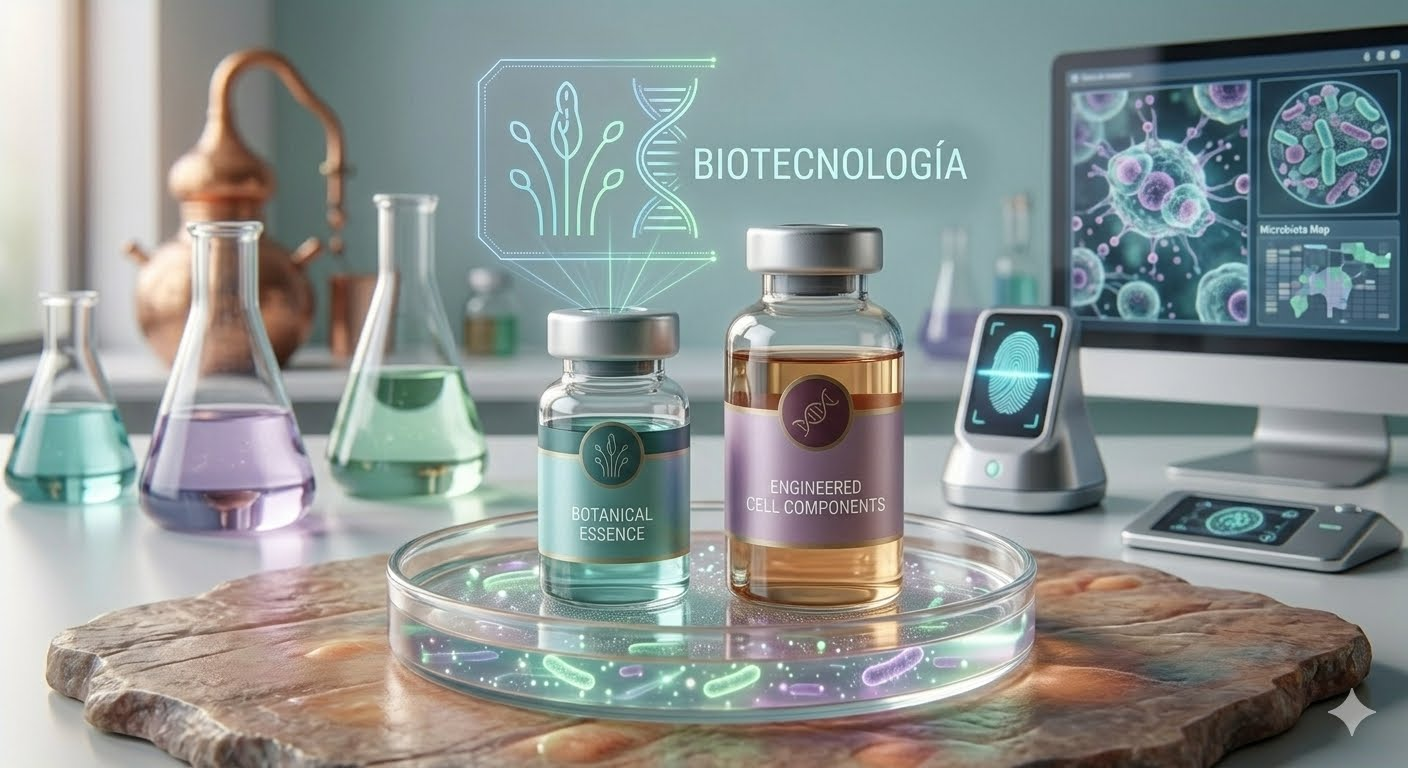
Modern cosmetics no longer seek merely to correct visible imperfections, but to understand how the skin functions as a complex ecosystem. Thanks to biotechnology and fermentation, it is now possible to develop ingredients that are more effective, more compatible with the skin’s microbiome, and better tolerated even by sensitive skin. In this context, fermented ingredients represent a new generation of active ingredients that combine nature and science to offer comprehensive skin care, supporting the skin’s natural balance and strengthening its long-term defense mechanisms.